
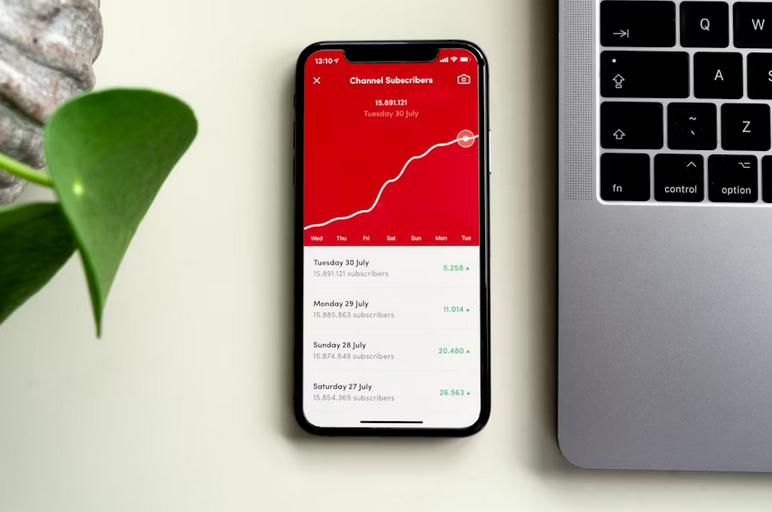
If you’ve been scratching your head wondering why your YouTube views are lower than expected, you’re not alone. With millions of creators uploading content daily, it’s no longer just about good content—it’s about smart strategy. Many creators assume their visibility problems stem from the algorithm being unfair or oversaturated niches, but the data suggests something different. Here are the top mistakes affecting your YouTube visibility; let’s break down what might be going on behind your YouTube performance slump.
Misunderstanding Audience Retention Metrics
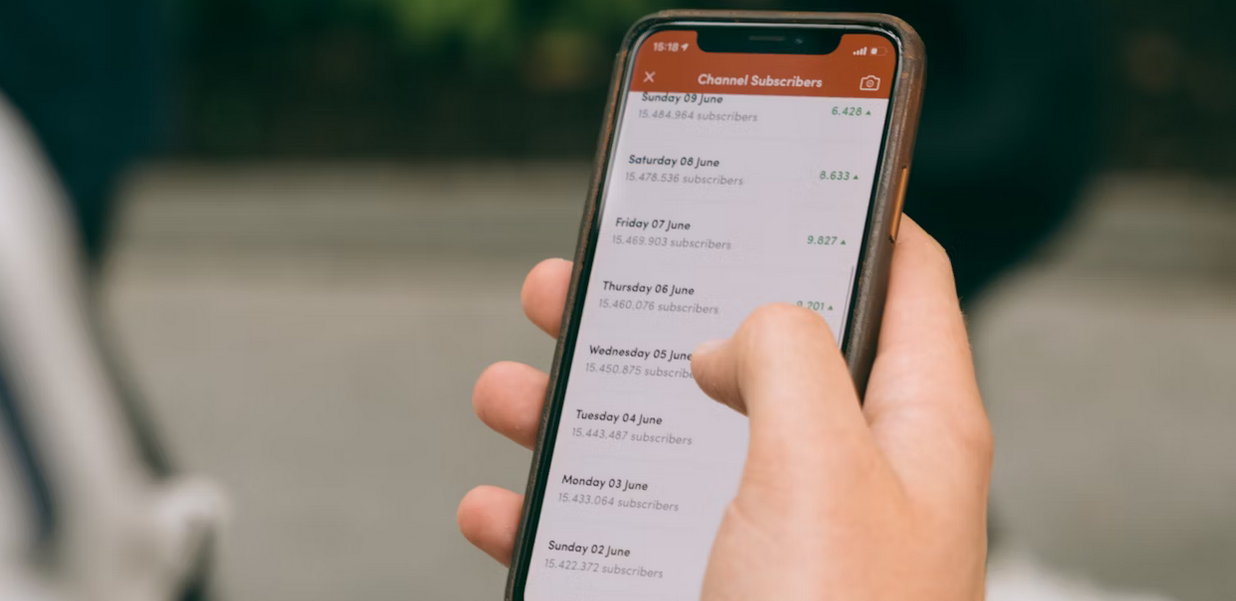
One of the biggest mistakes creators make is assuming that views are everything. However, YouTube rewards videos that keep viewers watching. Audience retention metrics show how long people are staying engaged, and even slight drop-offs early in the video can drastically reduce visibility. If your intros are too long or your pacing is off, you might be turning viewers away before the content even gets going.
Failing to Optimize Titles, Tags, and Thumbnails
Many creators don’t realize how crucial it is to nail their metadata and visuals: generic titles that don’t capture attention, tags that aren’t relevant to your video content, and thumbnails that are either cluttered or misleading. These components are key to encouraging clicks. You need strong, keyword-optimized titles and clear, eye-catching thumbnails to stand out in search results and recommended feeds.
Posting Inconsistently
Consistency is more than just a buzzword—it’s a signal to the algorithm. When you post sporadically or take long breaks without a plan, the platform has a harder time identifying your content category and ideal viewer. This inconsistency means your videos are less likely to be recommended, even to subscribers. Establishing a predictable upload rhythm helps build trust with both the algorithm and your audience.
Ignoring Watch Time and Session Duration
It’s not just about how long someone watches your video—it’s also about what they do afterward. YouTube favors content that keeps people on the platform. If your videos are leading to viewers exiting the app or bouncing off quickly, your channel may suffer in rankings. Adding clear calls to action, such as linking to a playlist or another video, encourages longer viewing sessions and shows YouTube that your content contributes positively to the platform’s goals.
Generating Low-Quality Engagement
YouTube’s algorithm considers likes, comments, and shares as strong indicators of value. If your videos aren’t generating engagement, they’re less likely to be promoted in search results or recommended videos. Prompting viewers to interact with questions or polls can go a long way in boosting these signals. But authenticity matters—engagement bait rarely works long-term and can even harm trust with your audience.
Neglecting Mobile User Experience
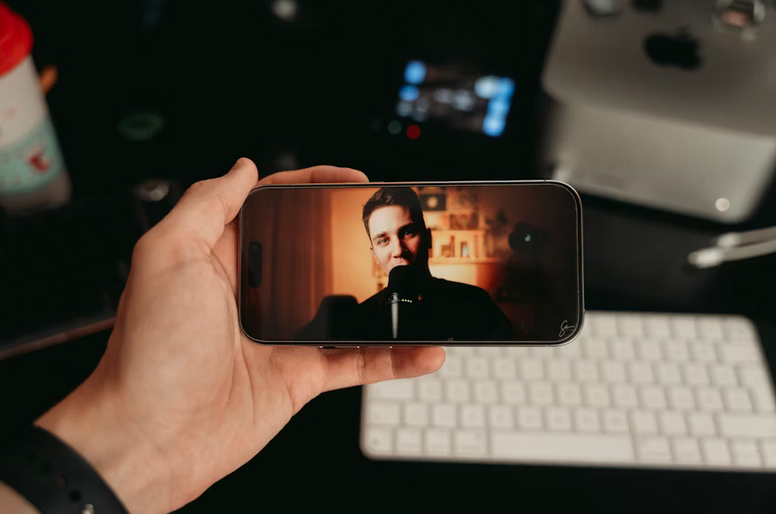
Over 70% of YouTube watch time happens on mobile devices, yet many creators still design content primarily for desktop viewing. Text that’s too small, visuals that are hard to follow, or audio that’s unclear can all lead to poor performance. Ensuring your videos are easily consumable on a small screen—especially your thumbnails and intros—can significantly improve retention and click-through rates from mobile users.
Not Reviewing Data to Adjust Your Strategy
Finally, many creators simply don’t take the time to study their analytics beyond surface-level metrics like views and subscribers. Data like traffic sources, audience demographics, and playback locations can offer valuable insights into what’s working and what’s not. Treating YouTube like a creative business means making informed decisions based on performance trends, not just hunches.
Success on YouTube isn’t just about putting out content and hoping it lands. It’s about reading the data, adjusting your strategy, and thinking like both a creator and a marketer. By identifying the true barriers to visibility—often buried in analytics—you can make smarter choices that boost not just your views, but also your long-term growth. The truth is, YouTube visibility issues often have less to do with luck and more to do with overlooked details.


