

In today’s digital landscape, online accounts have become the gateways to our personal and professional lives. From email and banking to social media and streaming services, each account contains sensitive information that can be exploited if left unsecured. Cyber threats are growing more sophisticated, and even minor lapses can lead to significant consequences. One approach to strengthening your online presence is combining careful account management with strategic growth tactics, such as leveraging recommended sites to buy YouTube subscribers safely for your channel while simultaneously safeguarding your login credentials. By adopting a proactive approach to account security, users can reduce vulnerabilities and maintain control over their digital identities.
Use Strong and Varied Passwords
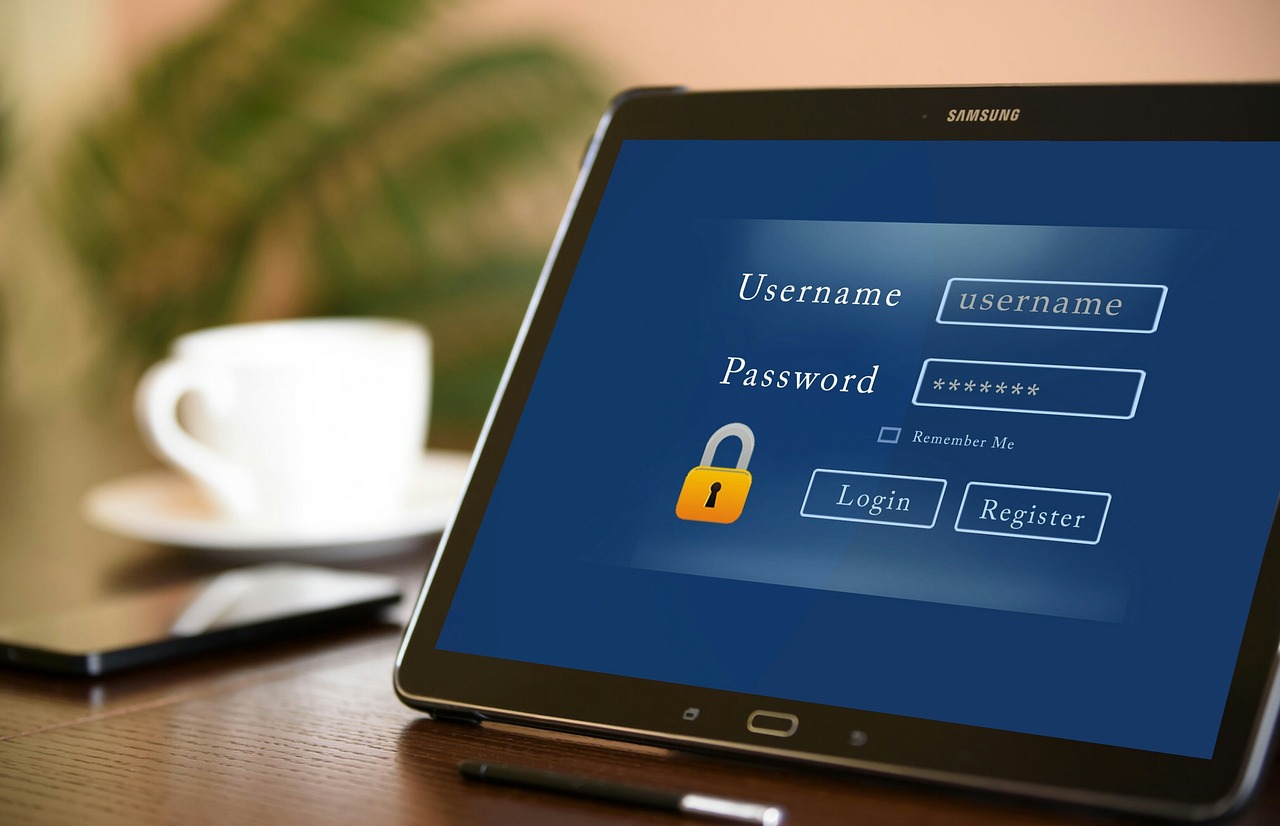 One of the simplest yet most critical steps for protecting online accounts is using strong, unique passwords for every platform. Avoid predictable sequences like “123456” or “password.” Instead, mix uppercase and lowercase letters, numbers, and symbols to create complex combinations. Password managers can help generate and store these securely, reducing the temptation to reuse credentials across multiple accounts. Regularly updating passwords further minimizes the risk of unauthorized access. This practice makes it significantly harder for cybercriminals to breach your accounts through brute force or credential-stuffing attacks.
Enable Two-Factor Authentication (2FA)
Two-factor authentication adds an extra layer of protection, requiring not just a password but also a secondary verification method such as a text message, authentication app, or biometric factor. Activating 2FA drastically reduces the chances of account compromise, as attackers would need both your password and the additional verification method to gain access. Many platforms offer this feature, and prioritizing accounts containing sensitive data, like email, financial services, and social media, ensures a safer digital presence.
Monitor Account Activity Regularly

Consistent monitoring of your accounts can alert you to suspicious activity before it becomes a larger issue. Most platforms provide notifications for logins from new devices or locations. Review account settings and login history frequently to detect unusual access patterns. In addition, set up alerts for password changes, failed login attempts, and unfamiliar device sign-ins. Early detection allows you to take swift action, such as changing passwords and notifying platform support teams, limiting potential damage from breaches.
Limit Sharing Personal Information
Online security is often compromised by oversharing personal details. Be cautious about what information you post publicly, including birthdates, phone numbers, addresses, or answers to common security questions. Social engineering attacks often exploit this information to trick users into revealing passwords or approving fraudulent account activity. Adjust privacy settings on social media platforms and review what personal data third-party apps can access. By reducing the exposure of sensitive information, you strengthen your defense against identity theft and account compromise.
Update Software and Devices Promptly
 Keeping your software, operating systems, and apps up to date is essential for preventing exploits. Developers frequently release patches to address security vulnerabilities that hackers can exploit. Running outdated software increases your exposure to malware, phishing, and ransomware attacks. Additionally, using reputable antivirus and firewall solutions enhances protection. Regular updates create a digital environment where potential threats are minimized, giving you a more secure experience when managing online accounts.
Maintaining the security of online accounts requires vigilance, planning, and consistent execution. By adopting these practices—creating strong passwords, enabling two-factor authentication, monitoring account activity, limiting personal information sharing, and updating software regularly—users can significantly reduce their vulnerability to cyber threats. Taking these steps promotes a safer digital experience, helping individuals protect sensitive data, maintain privacy, and confidently interact across multiple online platforms. Implementing these strategies ensures that your accounts remain resilient against unauthorized access and potential digital breaches.


